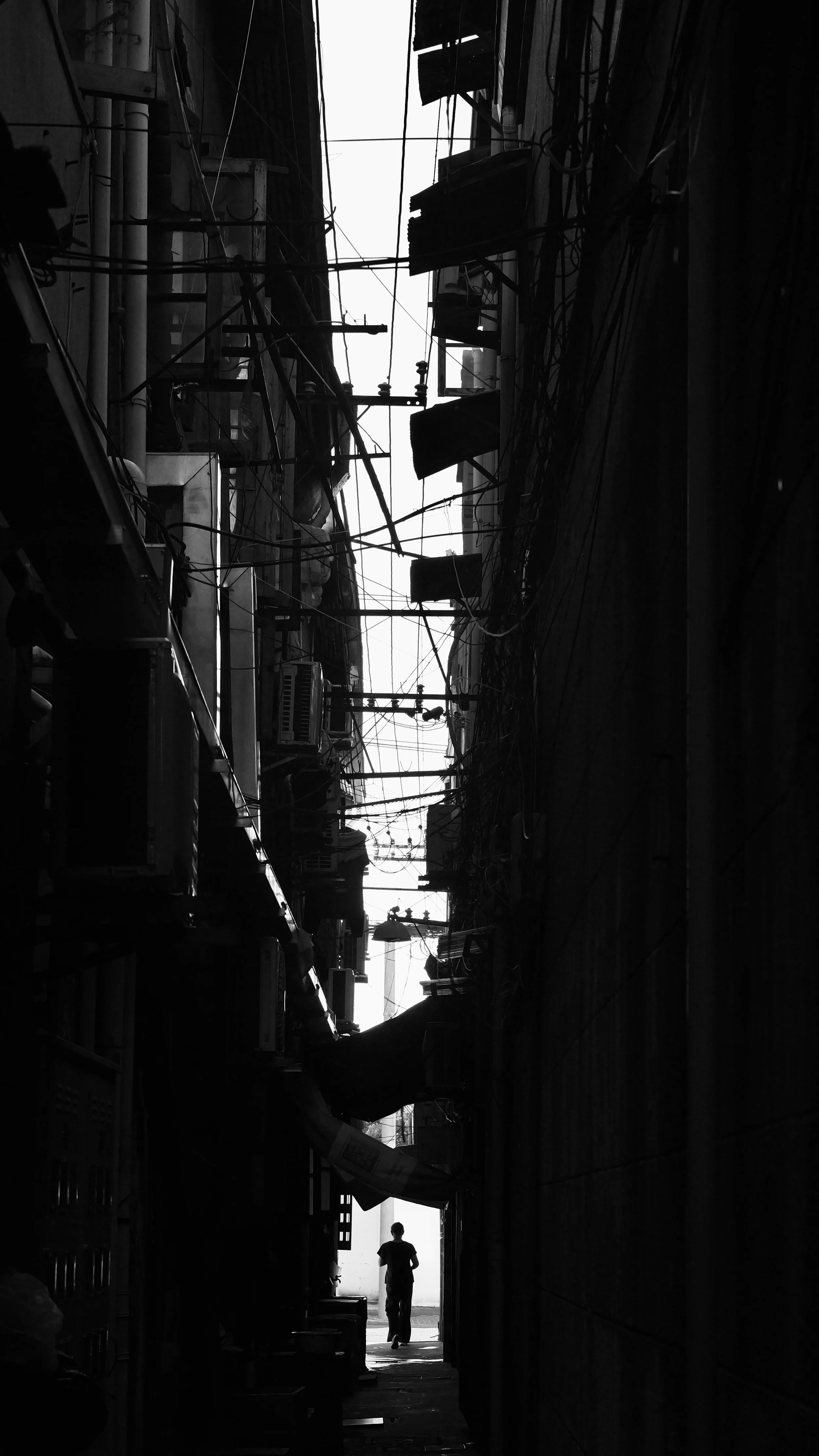
A fraction of A second is A glimpse of eternity
Photography occupies a curious position among the arts: it does not merely depict time, nor does it narrate it, but rather intervenes in its continuous unfolding. We live within a world that operates through constant transition—where perception, sensation, and meaning arise only to recede almost immediately. Our apprehension of events is therefore inseparable from their disappearance, and most moments pass before they can be examined with any intellectual or emotional clarity.
A photograph disrupts this inevitability.
By fixing an instant that would otherwise be irretrievable, it permits us to consider a moment not as something consumed by time, but as an autonomous configuration in its own right. In that brief suspension, the world reveals structures and relations normally inaccessible: alignments of form, gesture, tension, and context that are perceptible only when movement is halted. Each image becomes a unique occurrence within the universe—one that cannot be repeated, reconstructed, or adequately described outside its captured form.
In this sense, photography provides an alternative mode of inquiry into how the world operates. It offers a way of thinking that does not rely on duration, sequence, or causality, but on the scrutiny of isolated states of being. Through these fragments, one gains a perspective on reality that is simultaneously analytical and contemplative: a view into the mechanics of events precisely at the point where they resist further unfolding.
In acknowledging this, I remain indebted to Cartier-Bresson’s observation that photography is the simultaneous recognition—within the smallest fraction of a second—of the significance of an event and the precise organisation of the forms that constitute it.